
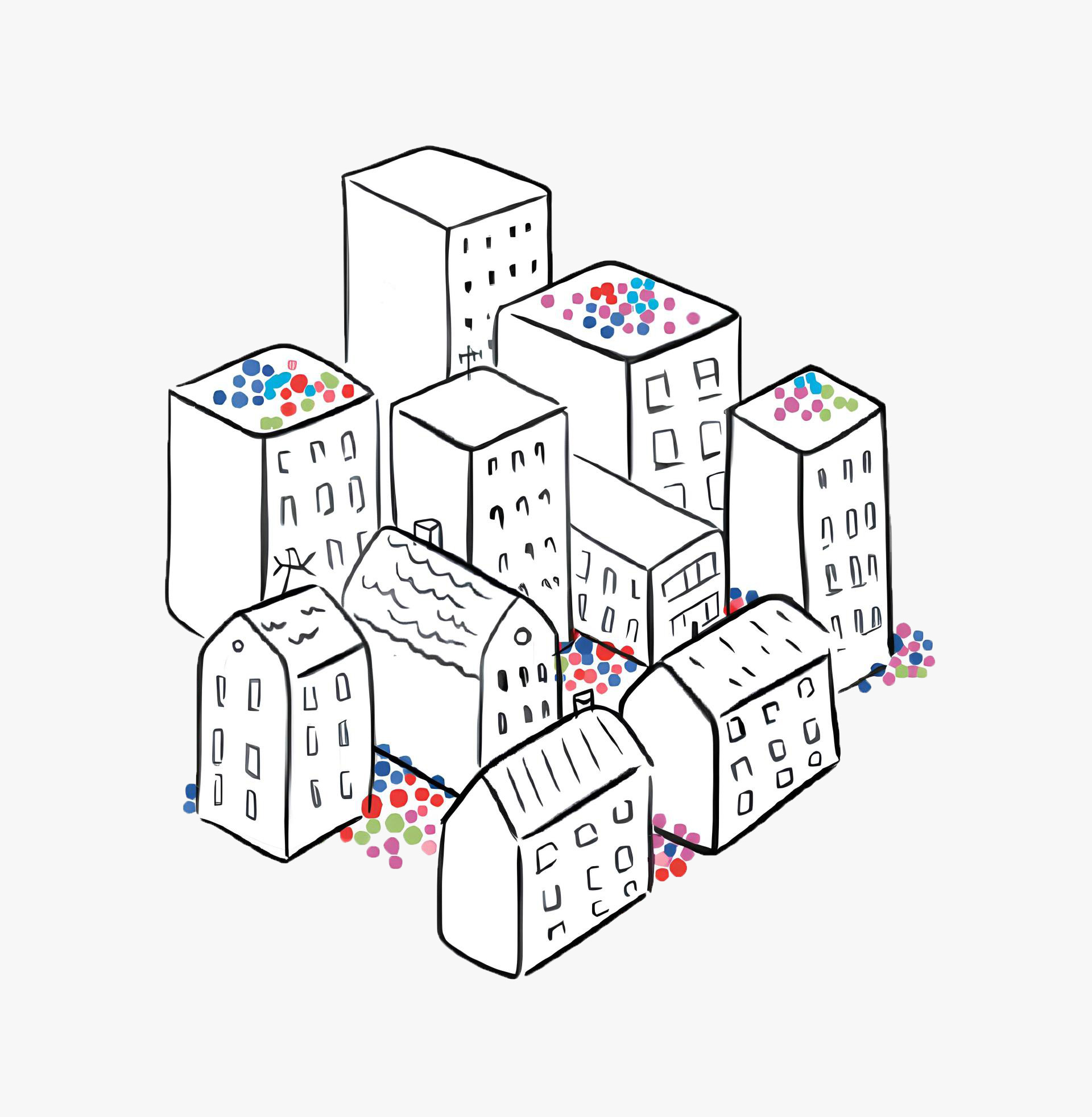
The residents of an inclusive city have equitable right to the city, access to services, employment, open public space, public transportation, and other opportunities the city provides. The urban environment of an inclusive city supports physical, economic, cultural and social needs of all people of all abilities, of all backgrounds and income levels. Open public spaces of an inclusive city are welcoming to all visitors, housing is affordable and attracts a diverse range of residents.
The Inclusive City relates to the New Urban Agenda transformative commitments: 25, 26, 27, 31, 32, 33, 34, 36, 37, 39, 40, 43, 62

Neighbourhoods can ensure social mix, social cohesion and interaction, support demographic and economic integration, while attracting a diverse range of people, meeting the housing needs of increasingly diverse residential
household types (e.g. young families, families with children, professionals, retirees, people with disabilities.) by providing a wider range of housing options (apartment block, row housing, row houses, detached housing, etc.) and modes (rental, private, cooperatives).

While establishing housing typology, it is important to consider gender related issues. Some contexts require private courtyards for women, private circulation spaces, etc. These aspects may be explored during participatory activities.
3.1.1 Mixing Tenures
Mixed tenure schemes have the potential to facilitate the mixing of income groups and different lifestyles, minimizing location based stigma and reducing concentration of poverty. While promoting tenure mix, it is important to follow tenure blind design principles aimed to ensure no explicit indicators of tenure type in housing design and layout.

3.1.2 Diversity Of Plots
Diversity of parcels and plots promote diversity of forms, uses and tenures, allowing the creation of various building types. Compact parcels and plot subdivisions contribute to factors of the inclusive city - facilitate the greater levels of land use mix, create a human-scale environment that enables social, communal interaction.

While designing the urban structure, it might be helpful to analyse the most efficient type of urban morphology within the city (specifically historical, central parts) to identify the most locally appropriate dimensions of plots that facilitate convenient pedestrian movement and interactions with the space.
3.1.3 Mixed Urban Block
Instead of mono-tenured units, the block should provide a variety of typologies, unit sizes and tenure types to meet the housing needs of all. Developers should consider multiple tenures within the same plot. While promoting mixed urban blocks, ensure a “tenure blind” approach to design aimed to avoid any tenure based distinction in design quality.
Affordable housing should be allocated between 20 and 50 per cent of the residential floor area, and one single tenure type should not exceed 50 per cent of the residential floor area at the neighbourhood scale. The recommendation indicates a wide range to enable urban planners and city management to follow the national or regional owned-to-rented ratio.

While promoting affordability, apart from socioeconomic policies, the physical design should facilitate the more efficient use of resources in maintenance and management of the built environment and open space. Climate responsive design and appropriate choice of materials are important to consider to minimize maintenance costs.
3.2.1 Accessibility To Services
Urban design should ensure equitable accessibility to infrastructure and services (e.g. water supply, wastewater treatment, drainage and flood control, solid waste management, etc.), social facilities (schools, kindergartens, health centers etc.), and economic centers (shops, markets etc.), aiming to improve the living conditions of vulnerable communities (e.g. considering adjacent territories, promoting open public spaces with a broader impact, etc.).

It is important to ensure a diversity of uses within a neighborhood, avoiding monofunctional clusters that cause isolation and fragmentation of the built environment. An attractive and functional physical environment shapes the character of spaces and facilitates the diversity of local communities. In a mixed land-use neighborhood job opportunities are generated for residents from different backgrounds and with different income levels.

3.3.1 Accessibility To A Wide Range Of Jobs
The urban environment should be designed in a way to provide residents with a walkable environment to a diverse range of jobs, which will facilitate the establishment of social networks formed by people living and working in the same neighborhood. The job-resident ratio between 0.5 and 0.7 might be taken as reference for preliminary considerations.

While designing mixed-use development, it is important to consider the quality and convenience of access routes between residential areas and employment opportunities. Proximity to public transport stops provide better accessibility for all. Attractive public spaces can help to facilitate a higher level of social interaction. Vegetation and green coverage increases the quality of the environment, however it may be necessary to consider the consequences of improvements through green coverage (for example by exacerbating eco-gentrification or increased maintenance needs).
The urban environment should promote walkability as a critical measure to bring people together in the public space, boosting social interactions and bringing a sense of social inclusion. In addition, walkability and close proximity to and between attraction points promote social encounters and the facilitation of social cohesion, which can only be supported through an urban environment that complies with universal design principles.

3.4.1 Prioritizing Pedestrian Movement
Streets should be designed to prioritise pedestrian movement (using Complete Street designs) to attract a variety of street users. Walkable and comfortable streets increase social interactions by being pleasant public spaces for all, supported by active urban frontages of the built environment. In some cases, levels of traffic from private cars can be reduced while allowing car access only where it is necessary. “Shared spaces” can also be promoted by demarcating areas with different colours or textured pavings.

Effective and affordable public transportation is critical to make the urban environment more inclusive, reduce urban poverty and inequalities, enhance economic development by maximizing accessibility to jobs and public goods for all groups of society, and in particular for low-income communities and centres of economic opportunity. Public transport that is safe, efficient, reliable and affordable for all, helps foster a sense of community by connecting people and places disregarding of their social or demographical status. Public transport infrastructure should serve everyone and meet the needs of all passengers.
3.5.1 Accessible Public Transport Stops
To ensure equitable access to public transport, transit stops and stations should be designed in accordance with principles of universal design, ensuring ramps with correct design and inclination (maximum 10%), tactile features, etc. Shading structures and street furniture should provide a comfortable environment to ensure public transport is accessible to all. Additional studies should be conducted to ensure the design considers specific community needs.
Ensuring the urban environment is free of obstacles to individuals with physical and cognitive disabilities and ensuring safe, continuous and comfortable movement of people in the city is necessary. Urban design should aim to reduce social and environmental barriers and ensure residents feel safe from accidents or intimidation. This implies improvements to safety and perceived safety such as street lighting/safety in low light, dropped kerbs, safe
crossings, streets maintenance, CCTV, passive surveillance, etc.

Topography should be taken into account in the design proposal to ensure safe and convenient movement for people of all abilities (e.g. ensuring maximum straight and not curved ramps with an appropriate and convenient slope).
3.6.1 Universally Accessible Streets
To ensure well connected and inclusive communities, streets should consider universal design principles. This implies physical elements such as clear paths of travel, curb ramps, tactile surfaces, convenient wayfinding signage that is accessible and clear for all street users (vision impaired guidance, etc.), green buffers, etc. (as per universal design checklists). In addition, to ensure pleasant and easy navigation along pathways, a sufficient width (for two wheelchairs to pass) should be maintained with minimum obstacles and barriers (such as temporary road signs, advertising boards, bins, and seating) that would otherwise prevent the comfortable use of sidewalks. Supporting regulation or enforcement of universally accessible streets may be required to avoid encroachment of obstacles.

3.6.2 Universally Accessible Open Public Space
Apart from the ease of reaching a public space by walking, cycling or using public transport, public spaces should be designed to span the full needs of residents of all ages and abilities following the universal design principles.
Public space should be optimized for maximum accessibility (e.g., playgrounds adapted for Persons with Disabilities, ramps with correct design and inclination (maximum 10%), lights and tactile strips at crosswalks; accessible restrooms and parking spaces reserved for Persons with Disabilities; colour contrast application to design elements, openness and visibility etc.)

3.6.3 Welcoming Open Public Space
Open public space should provide equitable access to resources and services and should be opened to all without paying an entrance fee. Open public spaces should facilitate the positive perception of accessibility, ensuring people feel welcome, safe and comfortable going to the public space, not being afraid of intimidation or violence. Welcoming spaces can be supported by design interventions such as wayfinding signage (indications translated into multiple languages), child-friendly areas, public art showcasing different cultures and lifestyles, small street retail opened for a diverse range of vendors, community murals, portable libraries, spaces for communal learning and creativity, designed space for expression and public gatherings (moveable street furniture, amphitheaters, boards, etc.)

The type of interventions that can demonstrate that people are welcomed in the neighborhood or a place can be defined during the participatory sessions that include a wide range of community representatives, including people in most vulnerable situations. Such design interventions as street signage translated into specific languages (e.g. for those who arrived), street art, community murals with welcoming messages might be helpful for people to feel included.
3.6.4 Designing Places Of Respite
Places of enclosure (small areas, separated from the major activities of the street) provide places of respite from sensory information. Quiet, enclosed spaces to sit can help people with sensory processing challenges or those, who often feel overwhelmed by the amount of sensory information in public places. Additionally, secluded areas off the main circulation path provide people with safe, private and quiet spaces to gather, rest and interact.

3.6.5 Universally Accessible Building
Ensure that buildings provide accessible entrances for all in accordance with principles of universal design (ensuring ramps with correct design and inclination (10%), tactile features, etc.). To ensure convenient and safe circulation, universal access should be provided to all elements of the block and adjacent spaces, such as internal courtyards, semi-private community gardens, parking spaces, etc.

Apart from creating an inclusive space, the neighborhood should promote a welcoming environment that facilitates the integration of people, especially those in vulnerable situations and creates social networks. Neighborhood social facilities and spaces should be open to all, promote sharing activities and public art, revealing local talents. Various programming initiatives should aim to promote the positive use of public space, engaging various local organisations and volunteers. The physical environment should support various initiatives as described in 3.6.3.

While designing such activities and related design interventions, variety of cultures and traditions should consider. Seasonal open public space design might be helpful to promote diversity of activities.
To ensure inclusive streets that are adapted to all the users of all ages, gender and ability, it is critical to promote safety in street design, regulation, and use. Ensure that streets are considered and treated as places, rather than through-ways. Safety should be achieved by reducing exposure to the risk of conflict between street users and movement modalities, shaping streets that are accessible for vulnerable users, safe and welcome to everyone (universal accessibility, opportunities for expression, enhancing perceived safety, passive surveillance, etc.)

Open public space should be designed to ensure a comfortable and safe use for everyone, where people from all backgrounds can spend considerable time enjoying the space, especially those in vulnerable situations. That implies creating a diversity of open public space categories (public, semi-public, semi-private, etc.) to differentiate the type of activity and access and creating a variety of activities appropriate for each user group of users. According to Project for Public Spaces places thrive when there are at least 10 activities (not limited to consumption), designed in a way to create social linkages (the power of 10 rule). The principle of 10 activities might be scaled up to 10 different attractive places that might be considered in the neighborhood.

Activities might be established as a result of placemaking exercises that encourage everyone to think about what’s special in their communities. Such activities might already build social networks during the participatory process.
3.9.1 Attractive Common Spaces
To promote social networks within the communities, the block should include additional functions and spaces that encourage brief walking experiences, physical activities, play and social interactions while enjoying a pleasant space such as internal courtyards, private/semi-private playgrounds, mail rooms, community gardens adjacent to the block and within the block, community run public artworks etc.

Public space must be used without any fear, and should not favour specific groups or promote gentrification. All structures/facilities should be universally accessible, safe and convenient to use. Passive surveillance should be created by active street frontage, adjacent activities and retail. Safety measures should ensure zero sense of exclusion and discomfort (e.g. created by fencing, prevailing and visible security control).

The scale of the built environment influences the way people perceive the space. Human scale environment may nourish a sense of place among residents, enhancing the sense of security by increasing the impact of passive surveillance (by making the environment easier to observe for people in buildings, cafes and shops adjacent to public space).
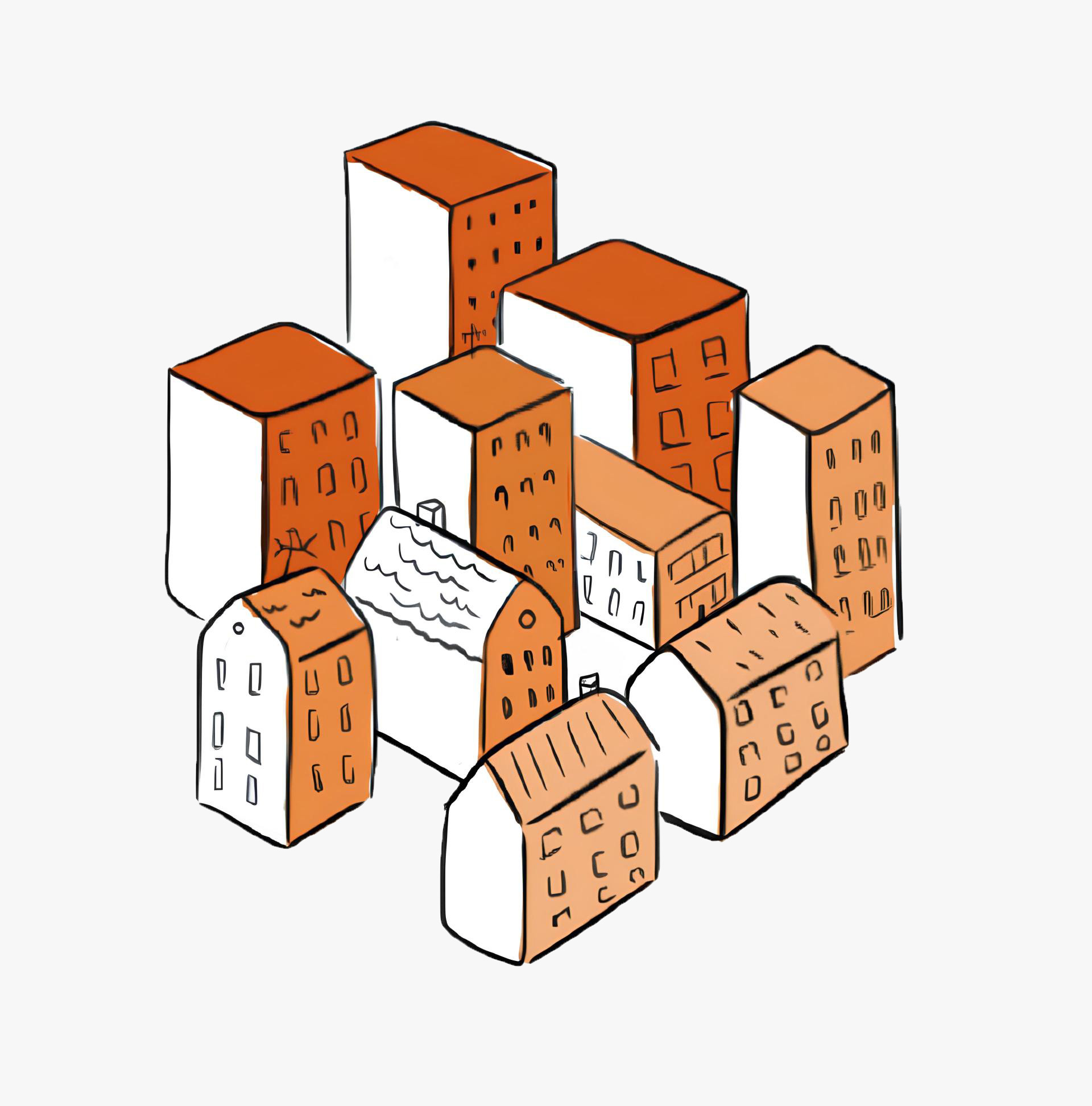
Residents of the compact city enjoy a highly efficient urban form characterized by close proximity to services, reduced travel times, and variety of uses and functions.
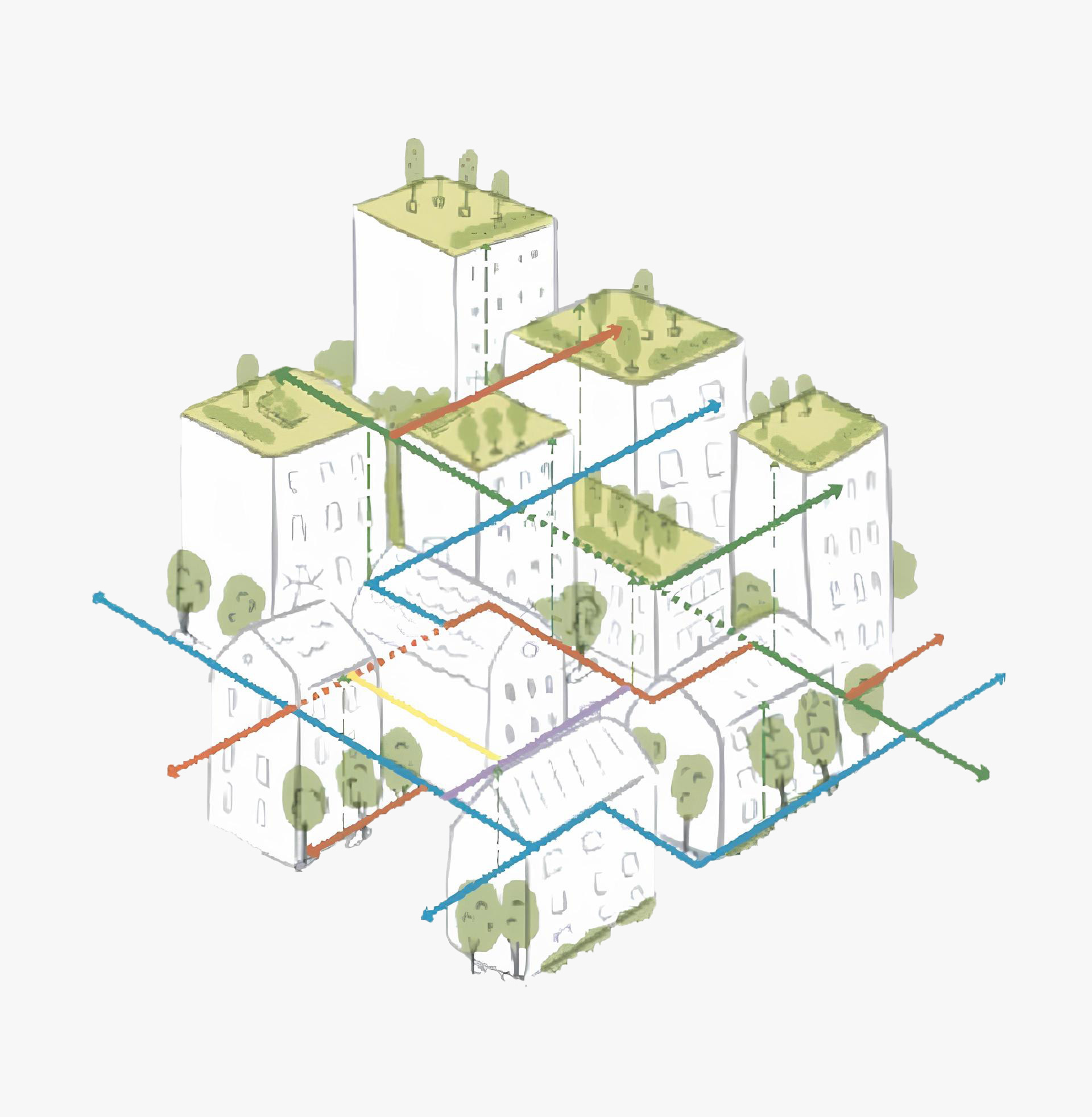
Residents of the connected city leverage from permeable and efficient street network with walkable and cyclable distances to close destinations while having access to multi- modal transport systems to connect with the opportunities of the wider city.
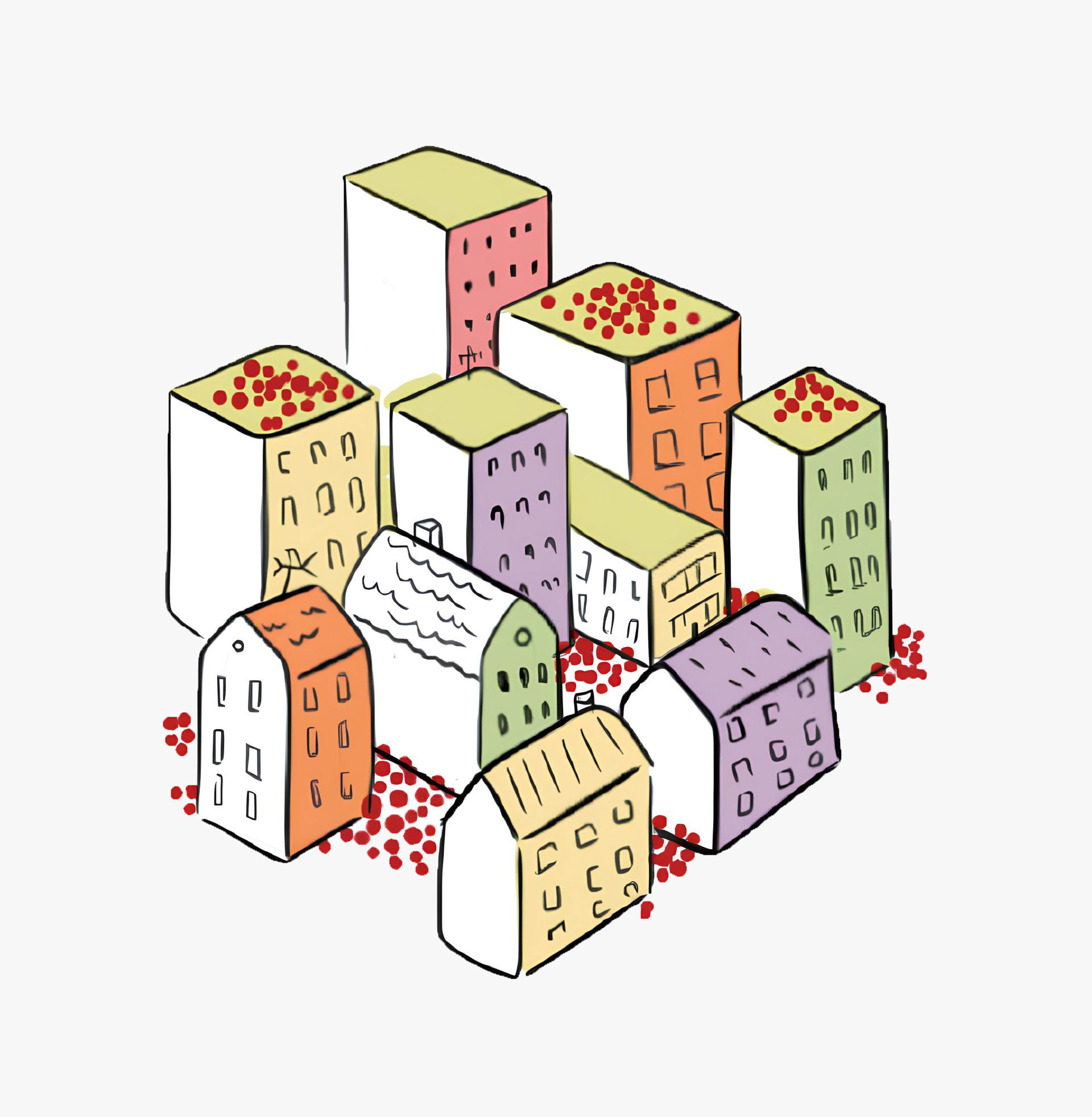
Residents of the vibrant city have access to the diversity of activities, urban services, and economic opportunities.

All the residents of the resilient city are guarded against immediate and chronic stresses within urban systems and are prepared for future potential challenges.